
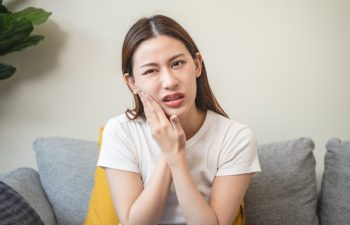
Between demanding careers, family responsibilities, and the constant connectivity of modern life, stress has become an unwelcome companion for many Alpharetta residents. What most people don’t realize is that chronic stress doesn’t just affect your mental wellbeing—it can quietly wreak havoc on your teeth, jaw, and overall oral health.
At Crabapple Dental, Dr. Sarah Roberts and Dr. Stuart Knight regularly see patients who are experiencing dental problems rooted in stress. Understanding the connection between your emotional state and your oral health can help you recognize warning signs early and protect your smile for years to come.
The Hidden Toll of Stress on Your Teeth
Your body responds to stress in predictable ways, and many of those responses directly impact your mouth. When tension builds, it often manifests in the jaw and facial muscles—sometimes without you even noticing.
Bruxism, or teeth grinding, is one of the most common stress-related dental problems. Many people clench or grind their teeth during sleep, waking with no memory of the habit but feeling the effects: dull headaches, jaw soreness, and over time, worn or damaged teeth. The forces generated during nighttime grinding can exceed normal chewing pressure by several times, leading to cracked enamel, chipped teeth, and accelerated wear patterns.
Daytime clenching presents similar risks. When you’re concentrating intensely or feeling anxious, you may unconsciously clamp your jaw together. Over months and years, this constant pressure takes a measurable toll on tooth structure.
Recognizing the Warning Signs
Stress-related dental damage often develops gradually, making it easy to dismiss early symptoms. Paying attention to these signals can help you seek treatment before minor issues become major problems.
Common indicators of stress-related dental problems include:
- Morning Headaches: tension headaches upon waking, particularly around the temples
- Jaw Pain or Stiffness: difficulty opening your mouth wide or discomfort when chewing
- Facial Muscle Fatigue: soreness in the cheeks, jaw, or neck
- Tooth Sensitivity: increased sensitivity to hot, cold, or pressure
- Worn Tooth Surfaces: teeth that appear flattened, chipped, or shorter than before
- Clicking or Popping Sounds: noises when opening or closing your jaw
- Earaches Without Infection: pain near the ear that seems unrelated to illness
- Disrupted Sleep: waking throughout the night or sleeping poorly despite adequate hours
If several of these symptoms sound familiar, stress may be affecting your oral health more than you realize.
TMJ Disorders and the Stress Connection
The temporomandibular joint (TMJ) connects your jaw to your skull and allows you to speak, chew, and yawn. When stress causes chronic clenching or grinding, this joint and the surrounding muscles become overworked and inflamed.
TMJ disorders, sometimes called TMD, can cause significant discomfort and interfere with daily activities. Patients often describe difficulty eating certain foods, pain that radiates through the face and neck, and even changes in how their teeth fit together.
Dr. Roberts has extensive training in neuromuscular dentistry through the Las Vegas Institute for Advanced Dental Studies, where she earned her prestigious Fellowship designation. This specialized education focuses on the relationship between teeth, muscles, and joints—allowing her to identify dysfunction that might be overlooked by practitioners without this advanced training.
How Modern Dentistry Addresses Stress-Related Damage
The good news is that stress-related dental problems are highly treatable, especially when caught early. At Crabapple Dental, the team offers multiple approaches to protect your teeth and relieve discomfort.
- Custom Night Guards: Unlike over-the-counter options, custom-fabricated night guards are designed from precise impressions of your teeth. They fit comfortably and provide optimal protection against grinding forces during sleep.
- Bite Analysis and Adjustment: Sometimes stress-related symptoms worsen because of underlying bite imbalances. Advanced diagnostic tools help identify these issues so targeted corrections can provide relief.
- Therapeutic Botox: Dr. Roberts is trained in therapeutic Botox applications for jaw tension. When injected into overactive jaw muscles, Botox can reduce clenching force and provide significant relief for patients with chronic TMJ pain. This treatment doesn’t affect your smile—it simply relaxes muscles that have been working overtime.
- Restorative Treatments: For teeth already damaged by grinding, modern restorative options can repair structure and prevent further deterioration. Same-day CEREC crowns, porcelain veneers, and other advanced treatments restore both function and appearance.
The Oral-Systemic Health Connection
Stress doesn’t just damage teeth mechanically—it also compromises your body’s ability to fight infection. Research consistently shows that chronic stress weakens immune function, making you more susceptible to gum disease and other oral infections.
Periodontal disease, in particular, thrives when the immune system is suppressed. What begins as mild gum inflammation can progress to serious infection affecting the bone that supports your teeth. Studies have also linked periodontal disease to systemic health conditions including heart disease, diabetes complications, and cognitive decline.
Managing stress becomes even more important when you consider these broader health implications. Your mouth truly is a window into your overall wellness.
Protecting Your Smile During Stressful Times
While eliminating stress entirely isn’t realistic, you can take steps to minimize its impact on your oral health.
Daily habits that help:
- Practice Jaw Relaxation: throughout the day, consciously relax your jaw by keeping teeth slightly apart and lips together
- Limit Caffeine and Alcohol: both can increase grinding intensity during sleep
- Establish a Wind-Down Routine: calming activities before bed help reduce nighttime clenching
- Stay Hydrated: dehydration can worsen muscle tension
- Exercise Regularly: physical activity reduces overall stress hormones
Professional support that makes a difference:
- Regular Dental Checkups: allow your dentist to monitor for early signs of grinding damage
- Custom Protective Appliances: properly fitted guards protect against ongoing wear
- Professional Cleanings: maintain gum health even when immune function is compromised
- Early Intervention: addressing problems when they’re small prevents costly repairs later
Advanced Technology for Precise Diagnosis
Crabapple Dental invests in technology that helps identify stress-related damage before it becomes visible to the naked eye. The practice utilizes 3D CT imaging with low radiation exposure, laser cavity detection, and the iTero intraoral scanner to capture detailed information about your teeth and bite.
These tools allow Dr. Roberts and Dr. Knight to see subtle changes in tooth structure, evaluate jaw joint positioning, and create precisely fitted restorations and appliances. For patients experiencing TMJ symptoms, comprehensive imaging provides the foundation for targeted treatment planning.
Your Smile Deserves Expert Care
Stress may be an unavoidable part of modern life, but the damage it causes doesn’t have to be permanent. Whether you’re noticing early warning signs or already experiencing significant symptoms, the team at Crabapple Dental can help.
Dr. Sarah Roberts brings Fellowship training from the Las Vegas Institute for Advanced Dental Studies along with advanced education from the Nash Institute. Her expertise in neuromuscular dentistry and cosmetic restoration makes her uniquely qualified to address stress-related dental concerns. Dr. Stuart Knight, who earned his DMD from the Dental College of Georgia at Augusta University after graduating magna cum laude from the University of Georgia, shares the practice’s commitment to comprehensive, patient-centered care.
Together, they’ve built a practice recognized among “America’s Top Dentists” since 2009 and voted Best Dentist in North Fulton and South Forsyth counties.
Schedule Your Consultation at Crabapple Dental
Don’t let stress silently damage your smile. If you’re experiencing jaw pain, headaches, or signs of grinding, schedule a consultation to explore your treatment options. Complimentary smile consultations are available for patients considering cosmetic or restorative care.
Crabapple Dental 12670 Crabapple Road, #110 Alpharetta, GA 30004
Phone: (678) 319-0123
Located in downtown Crabapple, the practice serves patients throughout Alpharetta, Milton, Roswell, Johns Creek, and the greater North Atlanta area. Call today to schedule your appointment.
Posted on behalf of
12670 Crabapple Road, #110
Alpharetta, GA 30004
Phone: (678) 319-0123
Email: drsarah@crabappledental.com
Monday: 7:30 AM – 4:00 PM
Tuesday: 9:00 AM – 5:00 PM
Wednesday: 7:30 AM – 4:00 PM
Thursday: 7:30 AM – 3:00 PM
Friday: 7:30 AM – 3:00 PM
