
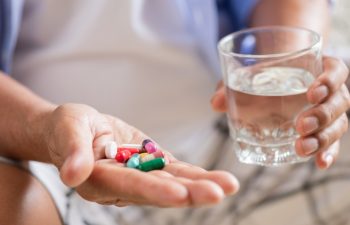
When you sit down in the dental chair and your hygienist asks about your current medications, it might seem like a routine formality. But that question carries more weight than most patients realize. The pills you take for blood pressure, allergies, depression, or chronic pain can significantly impact your teeth, gums, and overall oral health—sometimes in ways that aren’t immediately obvious. At Crabapple Dental in Alpharetta, understanding this connection is something we take seriously, and it’s one of the reasons Dr. Sarah Roberts’ unique background sets our practice apart.
Why Your Dentist’s Background Matters
Before earning her Doctor of Dental Medicine degree from the University of Louisville, Dr. Roberts completed her undergraduate studies in pharmacy at Purdue University. This dual foundation in both pharmaceutical science and dentistry gives her a perspective that most dentists simply don’t have. She understands not just what medications do for your body, but how they interact with oral tissues, affect healing, and influence the treatments she recommends.
For patients in Milton and Alpharetta who take multiple medications—whether for chronic conditions, mental health, or temporary illnesses—this expertise translates into safer, more personalized dental care. Dr. Roberts can anticipate potential complications, adjust treatment plans accordingly, and help patients understand why certain medications might be affecting their smiles.
The Most Common Culprit: Dry Mouth
If there’s one side effect that wreaks havoc on oral health, it’s dry mouth—clinically known as xerostomia. Saliva does far more than keep your mouth comfortable. It neutralizes acids produced by bacteria, washes away food particles, and delivers minerals that help repair early tooth decay. When saliva production drops, your risk for cavities, gum disease, and oral infections increases dramatically.
Hundreds of medications list dry mouth as a potential side effect, including:
- Antihistamines: common allergy medications like diphenhydramine and cetirizine reduce saliva as part of their drying action
- Antidepressants: SSRIs, SNRIs, and tricyclic antidepressants frequently cause persistent dry mouth
- Blood Pressure Medications: diuretics, beta-blockers, and ACE inhibitors can all decrease saliva flow
- Pain Medications: opioids and some muscle relaxants significantly impact saliva production
- Medications for Overactive Bladder: anticholinergics prescribed for urinary issues are notorious for causing severe dry mouth
If you’re taking any of these medications and have noticed increased thirst, difficulty swallowing, or a sticky feeling in your mouth, your oral health may already be affected. Mentioning these symptoms during your dental visit allows the team at Crabapple Dental to recommend strategies—like prescription-strength fluoride treatments, special rinses, or changes in home care—to protect your teeth.
Gum Overgrowth: A Lesser-Known Side Effect
Some medications cause the opposite problem—excessive tissue growth in the gums. Known as gingival hyperplasia, this condition causes gum tissue to enlarge and sometimes cover portions of the teeth. It’s not just a cosmetic concern; overgrown gums create pockets where bacteria thrive, increasing the risk of periodontal disease.
Medications most commonly associated with gum overgrowth include certain anti-seizure drugs like phenytoin, calcium channel blockers used for high blood pressure, and immunosuppressants prescribed after organ transplants. Patients taking these medications benefit from more frequent professional cleanings and meticulous home care to keep gum tissue healthy. Dr. Roberts’ understanding of these drug effects allows her to create monitoring and prevention plans tailored to each patient’s medication regimen.
Bleeding Concerns and Blood Thinners
Millions of Americans take blood-thinning medications to prevent strokes, heart attacks, or blood clots. Medications like warfarin, aspirin, clopidogrel, and newer anticoagulants such as rivaroxaban and apixaban are essential for cardiovascular health—but they also affect how your body responds to dental procedures.
Even routine cleanings can cause more bleeding in patients on blood thinners, and extractions or surgical procedures require careful planning. In most cases, dentists no longer recommend stopping blood thinners before dental work because the cardiovascular risks outweigh the bleeding concerns. Instead, your dental team will use techniques to control bleeding during and after procedures. Knowing exactly which blood thinner you take and your current dosage helps Dr. Roberts and the Crabapple Dental team prepare appropriately and ensure your safety.
Bone Health and Bisphosphonates
Bisphosphonates are commonly prescribed to treat osteoporosis and prevent bone loss—particularly important for many postmenopausal women and older adults in the North Fulton area. Medications like alendronate (Fosamax), risedronate (Actonel), and ibandronate (Boniva) strengthen bones throughout the body, but they can create complications in the jaw.
A rare but serious condition called osteonecrosis of the jaw (ONJ) can occur when patients on long-term bisphosphonate therapy undergo tooth extractions or other invasive dental procedures. The medication affects the jaw’s ability to heal, potentially leading to exposed bone that doesn’t recover normally. While the risk is relatively low for patients taking oral bisphosphonates, it’s essential that your dentist knows your medication history before planning any surgical treatment. Dr. Roberts evaluates each patient’s bisphosphonate use and duration to determine the safest approach to necessary dental work.
Protecting Your Smile While Managing Your Health
The goal is never to choose between your overall health and your oral health—it’s to manage both thoughtfully. If you’re experiencing dental side effects from medications, there are often solutions that don’t require changing your prescriptions. Increased fluoride exposure, more frequent dental visits, specialized rinses, and adjusted home care routines can counteract many medication-related oral health challenges.
Here are steps you can take to protect your smile:
- Keep Your Medication List Current: bring an updated list of all medications, including over-the-counter drugs and supplements, to every dental appointment
- Report New Symptoms: if you notice dry mouth, bleeding gums, or changes in your oral tissues after starting a new medication, mention it at your next visit
- Stay Hydrated: drinking water throughout the day helps combat dry mouth and supports overall oral health
- Consider Sugar-Free Options: sugar-free gum and lozenges can stimulate saliva production between meals
- Don’t Skip Appointments: patients on medications with oral side effects may benefit from cleanings every four months rather than six
Schedule Your Visit at Crabapple Dental in Alpharetta
At Crabapple Dental, we believe comprehensive care means understanding the whole picture—including every medication that might affect your oral health. Dr. Sarah Roberts’ unique combination of pharmaceutical knowledge and advanced dental training, including her Fellowship from the prestigious Las Vegas Institute, allows our team to provide care that accounts for your complete health profile.
If you take medications regularly and want a dental team that truly understands how those prescriptions affect your smile, we invite you to experience the difference at Crabapple Dental. Call us today at (678) 319-0123 to schedule an appointment at our downtown Crabapple office. Patients throughout Alpharetta, Milton, Roswell, and the surrounding communities trust us with their smiles—and we’d be honored to care for yours.
Posted on behalf of
12670 Crabapple Road, #110
Alpharetta, GA 30004
Phone: (678) 319-0123
Email: drsarah@crabappledental.com
Monday: 7:30 AM – 4:00 PM
Tuesday: 9:00 AM – 5:00 PM
Wednesday: 7:30 AM – 4:00 PM
Thursday: 7:30 AM – 3:00 PM
Friday: 7:30 AM – 3:00 PM
